
The ancient world is a tapestry woven with countless civilizations that have shaped the course of history, but many remain hidden in the shadows of mainstream narratives.
In this article, we will unveil 25 little-known civilizations, highlighting their unique cultures, beliefs, and achievements that are too cool to ignore. Prepare to be amazed by fascinating facts that reveal the ingenuity and creativity of our ancestors. From mysterious ruins to extraordinary customs, these civilizations remind us that history is rich with stories waiting to be uncovered.
1. The Hittites: Masters of Iron

The Hittites, a fascinating civilization that thrived in Anatolia during the Bronze Age, are often overshadowed by their contemporaries. They were among the first to smelt iron, which gave them a significant advantage in warfare and craftsmanship. The Hittites established a vast empire that included parts of modern-day Turkey and Syria, with a complex legal system and rich mythology. Their capital, Hattusa, showcases incredible architecture, including massive stone walls and temples dedicated to their gods. The Hittites also played a crucial role in the development of cuneiform writing, contributing to the preservation of their culture and history. Exploring the Hittites gives us insight into the early advancements in technology and society that laid the groundwork for future civilizations.
2. The Muisca Confederation: Gold and Ceremonies
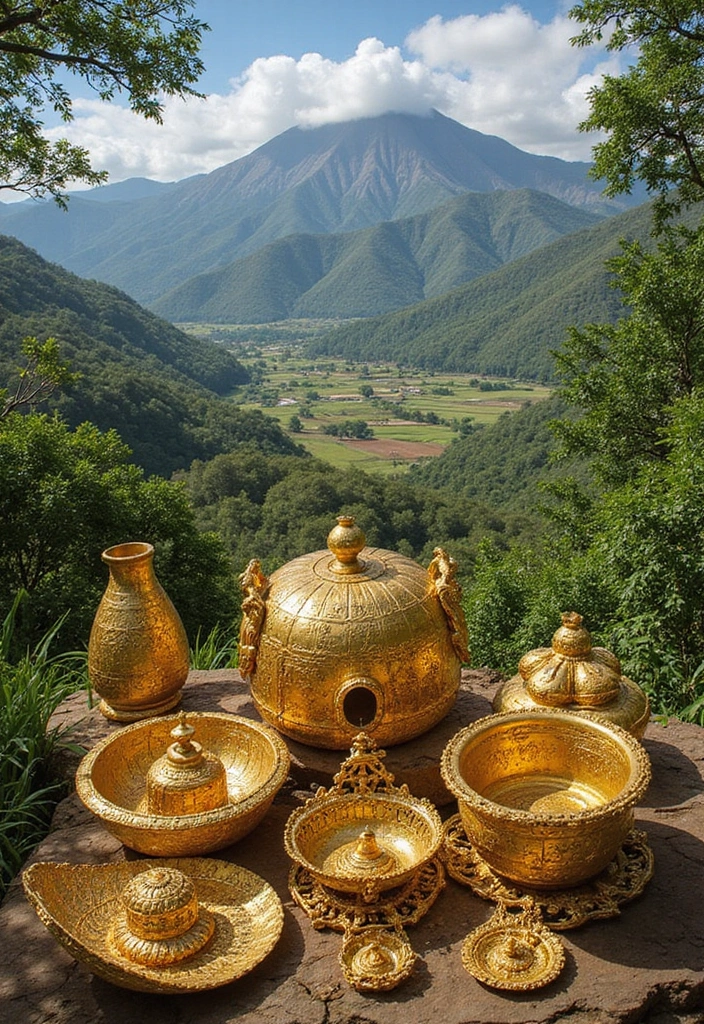
Nestled in the highlands of Colombia, the Muisca Confederation was a group of indigenous tribes known for their exceptional goldwork and rich cultural traditions. Inhabiting the Altiplano Cundiboyacense, they formed a loose confederation of city-states, each ruled by a zipa or a zaque. The Muisca are famous for the El Dorado legend, which speaks of a king who covered himself in gold dust and offered treasures to the gods in sacred lakes. Their intricate gold artifacts, including the famous Muisca raft, are a testament to their artistic skills and spiritual beliefs. The Muisca also practiced agriculture, cultivating crops like potatoes, maize, and quinoa, which were essential to their diet and economy. Understanding the Muisca Confederation allows us to appreciate the interplay between myth and reality in ancient cultures.
3. The Sogdian Traders: Cultural Bridges
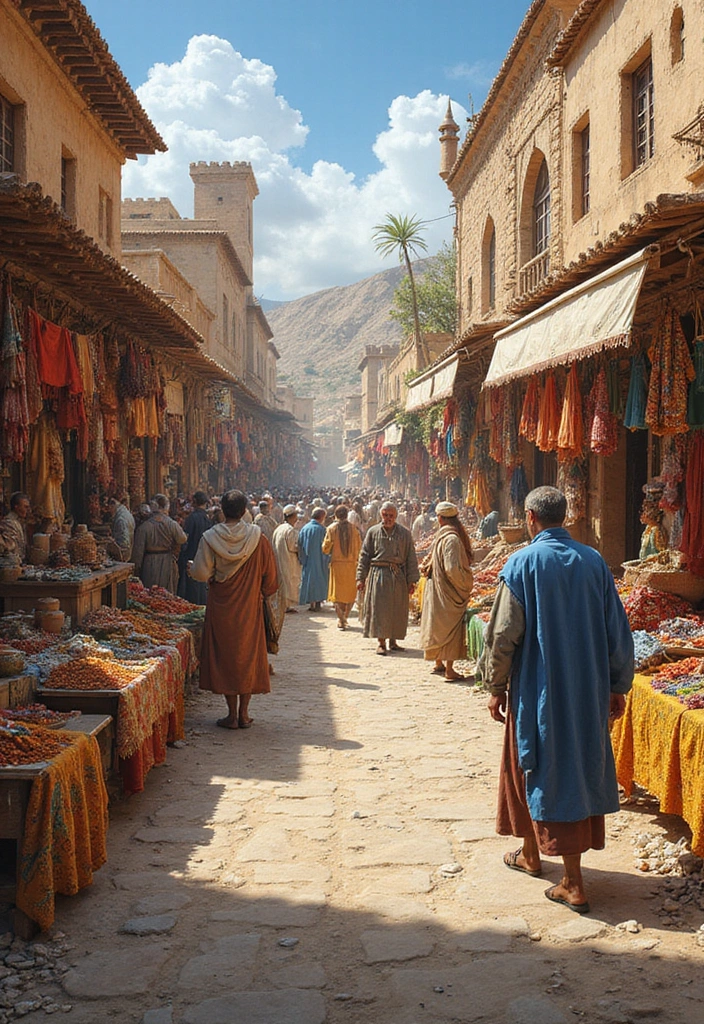
The Sogdian civilization flourished along the Silk Road, serving as vital intermediaries between East and West from the 6th century BCE to the 10th century CE. Originating from Central Asia, the Sogdians were skilled merchants and diplomats, facilitating trade and cultural exchange across vast distances. Their ability to adapt to various cultures allowed them to thrive in diverse regions, from China to Persia. Sogdian towns were bustling hubs of activity, where goods such as silk, spices, and precious metals were exchanged alongside ideas and art. They also created unique scripts and religious practices, blending Zoroastrianism, Buddhism, and other belief systems. The legacy of the Sogdians reminds us of the importance of trade and cultural connections in shaping civilizations.
4. The Etruscans: Pioneers of Italy

Before the rise of Rome, the Etruscans flourished in ancient Italy, leaving behind a rich legacy that influenced Roman culture. Occupying the region of Etruria, they were skilled in metalworking, trade, and art, creating elaborate tombs and vibrant frescoes that depicted their beliefs and daily life. The Etruscans had a unique language and writing system, which remains partially deciphered, providing glimpses into their sophisticated society. Their religious practices, centered around divination and the worship of various gods, laid the groundwork for Roman mythology. Etruscan architecture, particularly the use of the arch, significantly impacted Roman engineering. Exploring the Etruscans reveals a civilization that was not only a precursor to Rome but also a cultural powerhouse in its own right.
5. The Aksumite Empire: Trade and Innovation
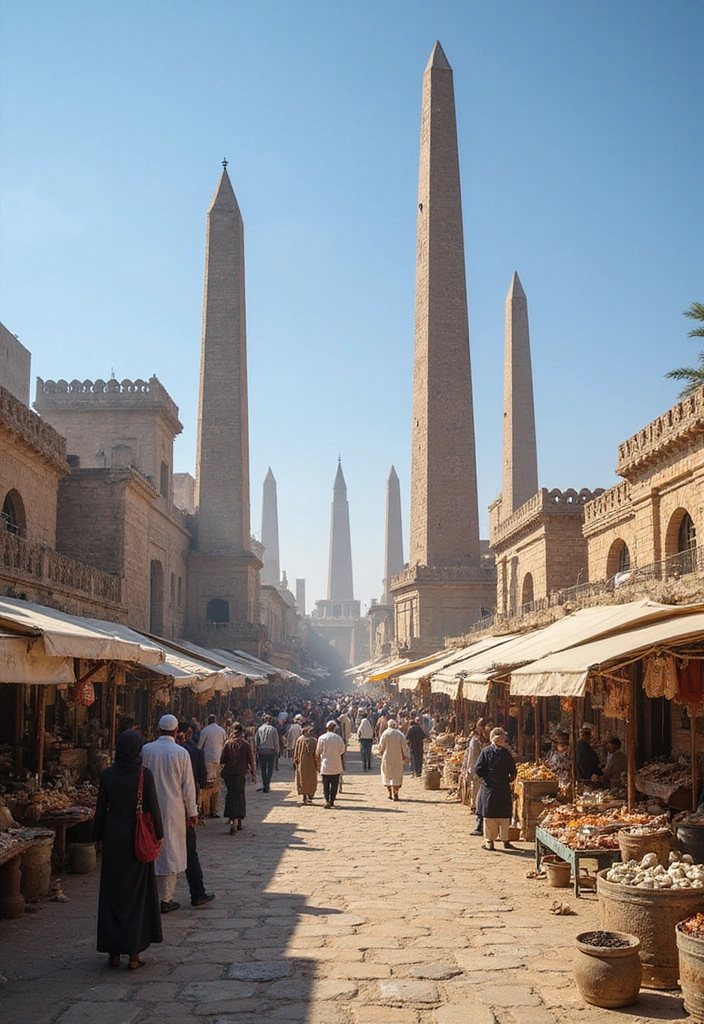
The Aksumite Empire, located in present-day Ethiopia and Eritrea, was a powerful civilization that thrived from the 1st to the 7th century CE. Known for its impressive obelisks and monumental architecture, Aksum was a major trading hub that connected Africa, the Arabian Peninsula, and beyond. The Aksumites were among the first to adopt Christianity as a state religion, influencing the region’s cultural and religious landscape. They developed a unique script, Ge’ez, which is still used in Ethiopian liturgy today. The Aksumite economy was bolstered by trade in gold, ivory, and agricultural products, showcasing their innovative agricultural techniques. Exploring the Aksumite Empire reveals a civilization that not only shaped regional trade but also played a significant role in the spread of ideas and culture.
6. The Chavín Civilization: Mystical Artisans

The Chavín civilization, which emerged in the Andean highlands of Peru around 900 BCE, is celebrated for its advanced artistic expression and religious significance. Renowned for their intricate stone carvings and pottery, the Chavín artisans created stunning works that often featured motifs of animals and deities, reflecting their spiritual beliefs. The Chavín de Huantar site, a ceremonial center, features impressive architecture, including a complex of underground galleries. The civilization was characterized by a theocratic society, where religion played a central role in daily life. The Chavín influence extended through trade and cultural exchange, impacting subsequent Andean societies. Exploring the Chavín civilization offers insight into the early development of art and religion in South America.
7. The Taíno: A Rich Culture of the Caribbean

The Taíno were among the first indigenous peoples encountered by European explorers in the Caribbean, and their culture was vibrant and complex. Inhabiting islands such as Hispaniola and Puerto Rico, the Taíno were skilled farmers, fishers, and artisans, creating elaborate pottery, woven goods, and ceremonial items. They practiced a polytheistic religion, with a deep reverence for nature and ancestral spirits. Their social structure was organized into chiefdoms, with leaders known as caciques. The Taíno also had a rich oral tradition, sharing stories and legends that shaped their identity. Exploring the Taíno civilization reveals a culture that was deeply connected to its environment and rich in artistic expression.
8. The Mississippian Culture: Mound Builders

The Mississippian culture flourished in the southeastern United States from around 800 CE to 1600 CE, known for their impressive earthen mounds and complex societies. These mound builders created large ceremonial and burial mounds, with Cahokia being the most notable site, featuring a massive central mound known as Monk’s Mound. The Mississippians practiced agriculture, cultivating crops such as maize, beans, and squash, which supported large urban centers. Their societies were hierarchical, with chiefs leading and religious practices centered around the mounds. The Mississippian culture’s art and trade networks extended across the continent, influencing other indigenous groups. Exploring the Mississippian culture provides a deeper understanding of the advanced societies that existed in North America long before European contact.
9. The Ainu: Indigenous People of Japan

The Ainu are an indigenous group from Japan, primarily living on Hokkaido and the Kuril Islands, with a rich cultural heritage that dates back thousands of years. Their society is deeply connected to nature, with a belief system that reveres spirits in the natural world, particularly in animals and plants. The Ainu are known for their intricate craftsmanship, including textiles, wood carvings, and traditional tattoos. Their unique language and oral traditions have been preserved despite historical pressures, showcasing their resilience and cultural identity. The Ainu’s traditional lifestyle includes fishing, hunting, and foraging, reflecting their intimate relationship with the environment. Exploring Ainu culture allows us to appreciate the diversity of indigenous traditions and their contributions to the broader tapestry of human history.
10. The Nubians: Ancient African Kingdoms

The Nubian civilization, located along the Nile River in present-day Sudan, was known for its rich history and powerful kingdoms, including the Kingdom of Kush. Nubians were skilled builders, creating impressive pyramids and temples that rival those of ancient Egypt. They had their own distinct culture, language, and religious practices, with a pantheon of gods and elaborate burial rituals. The Nubians were also formidable warriors, often engaging in conflicts with their Egyptian neighbors while also trading extensively with them. The legacy of Nubia is evident in the art, architecture, and cultural exchanges that shaped the ancient world. Exploring Nubian civilization reveals a fascinating chapter in African history that deserves recognition.
11. The Silla Kingdom: The Golden Age of Korea

The Silla Kingdom, one of the Three Kingdoms of Korea, thrived from 57 BCE to 935 CE, marking a golden age of culture, art, and innovation. Known for its exquisite gold crowns and jewelry, Silla artisans produced intricate works that reflected their advanced metalworking skills. The kingdom was also significant for its advancements in Buddhism, with the construction of grand temples and the famous Seokguram Grotto, showcasing stunning stone carvings and statues. Silla’s political structure was complex, with a monarchy and a society that emphasized scholarship and the arts. The kingdom engaged in trade with neighboring regions, fostering cultural exchange that enriched its civilization. Exploring Silla reveals a vibrant chapter in Korean history that laid the foundation for future cultural development.
12. The Parthian Empire: Masters of the Horse
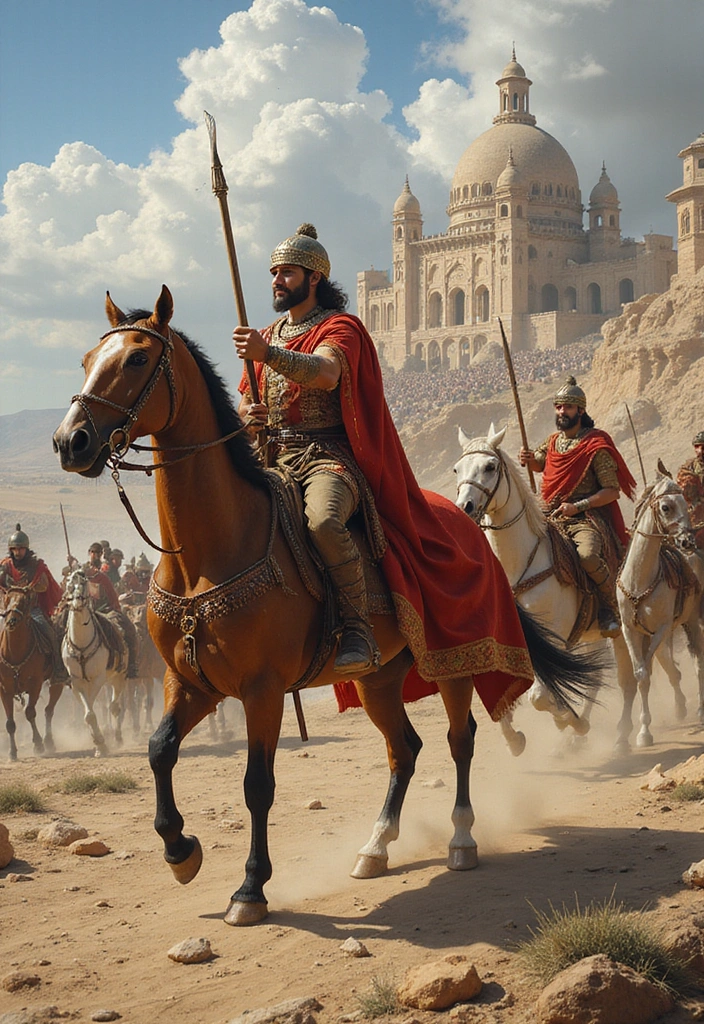
The Parthian Empire, which existed from 247 BCE to 224 CE, was a formidable power that spanned modern-day Iran and parts of Central Asia. Known for their exceptional cavalry and archery skills, the Parthians were key players in the Silk Road trade, fostering connections between East and West. Their capital, Ctesiphon, was a thriving metropolis that showcased advanced architecture and cultural diversity. The Parthians were also known for their unique blend of Hellenistic and Persian influences, evident in their art, coinage, and customs. Their conflicts with Rome shaped the geopolitical landscape of the time, making them a significant force in ancient history. Exploring the Parthian Empire uncovers a civilization that was not only militarily adept but also culturally rich.
13. The Huns: Nomadic Warriors of the Steppes

The Huns, a nomadic group that roamed the Eurasian steppes during the 4th and 5th centuries CE, were notorious for their formidable warrior culture. They played a critical role in the fall of the Western Roman Empire, showcasing advanced cavalry tactics and swift raids. The Huns were skilled horsemen, using their mobility to conquer vast territories and disrupt established civilizations. Despite their fearsome reputation, the Huns had a rich cultural heritage, with traditions in music, craftsmanship, and social organization. Their interactions with other cultures led to significant exchanges and influences, impacting the regions they encountered. Exploring the Huns provides insight into the complexities of nomadic societies and their lasting impact on history.
14. The Minoans: Seafaring Traders of Crete
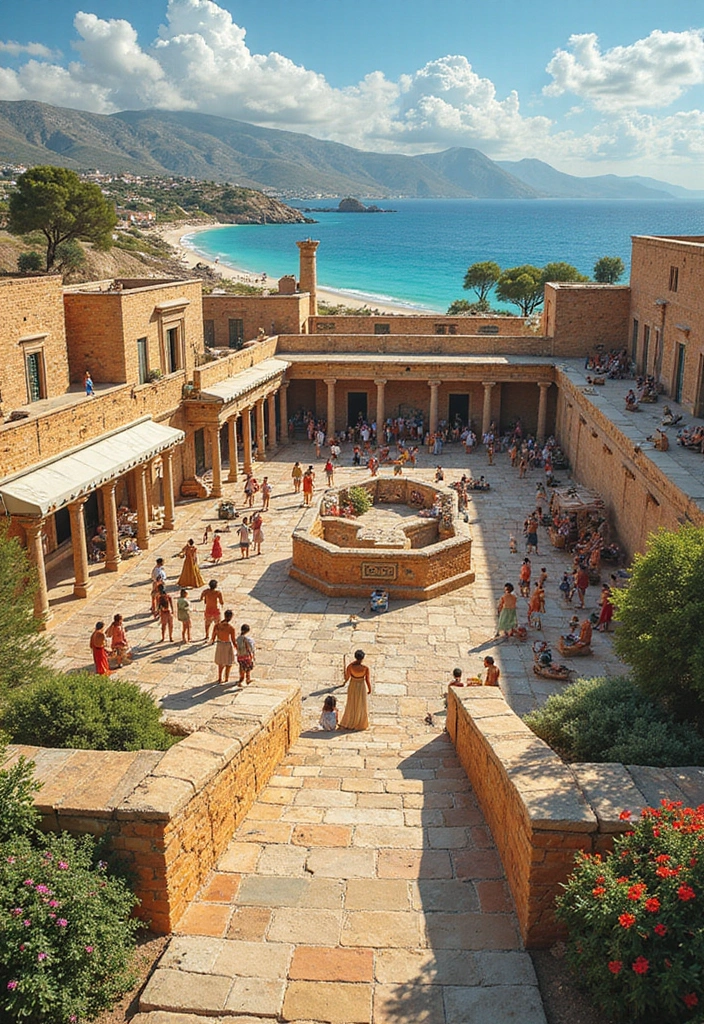
The Minoan civilization, which thrived on the island of Crete from around 2700 to 1450 BCE, is celebrated for its advanced society and maritime prowess. Known for their intricate frescoes, pottery, and architectural achievements like the Palace of Knossos, the Minoans were skilled traders who established connections throughout the Mediterranean. Their art often depicted nature, sports, and religious rituals, showcasing a vibrant culture that valued aesthetics and harmony. The Minoans practiced a form of writing known as Linear A, which remains undeciphered, adding an air of mystery to their civilization. Their decline is often attributed to natural disasters and external invasions, but their influence on later cultures, including the Greeks, is undeniable. Exploring the Minoans reveals a civilization that laid the groundwork for future Mediterranean societies.
15. The Khmer Empire: Architectural Marvels

The Khmer Empire, which flourished from the 9th to the 15th century in Southeast Asia, is renowned for its architectural achievements, particularly the magnificent temple complex of Angkor Wat. The Khmer were skilled engineers and architects, creating intricate stone carvings and monumental structures that reflected their Hindu and Buddhist beliefs. The empire was also a cultural powerhouse, with advancements in agriculture, art, and trade that supported a thriving society. The Khmer developed an extensive irrigation system that contributed to their agricultural success, allowing them to support large populations. Exploring the Khmer Empire offers a glimpse into a civilization that harmonized spirituality, art, and engineering.
16. The Carthaginians: Masters of the Sea

The Carthaginian civilization, located in present-day Tunisia, was a powerful maritime empire that thrived from the 9th century BCE until its fall in 146 BCE. Known for their skilled navigation and trade networks, the Carthaginians established colonies across the Mediterranean, bringing goods and culture from distant lands. Their military prowess, particularly their navy, made them formidable opponents against Rome during the Punic Wars. Carthaginian society was characterized by a mix of Phoenician and North African influences, evident in their art, language, and religious practices. Exploring Carthage reveals a civilization that was not only a trading powerhouse but also a center of innovation and cultural exchange.
17. The Inca Empire: The Great Andean Civilization

The Inca Empire, which reached its height in the 15th century, was the largest empire in pre-Columbian America, known for its advanced engineering, agriculture, and rich cultural traditions. With a vast network of roads and bridges, the Incas efficiently connected their territories across the Andes mountains. Their agricultural innovations, such as terrace farming and irrigation, allowed them to sustain large populations. The Incas were also exceptional craftsmen, producing textiles and metalwork that reflected their artistry and religious beliefs. Their society was organized around a strong central government, with the Sapa Inca as the supreme ruler. Exploring the Inca Empire provides insight into one of the most sophisticated civilizations of the ancient world.
18. The Olmec: The Mother Culture of Mesoamerica
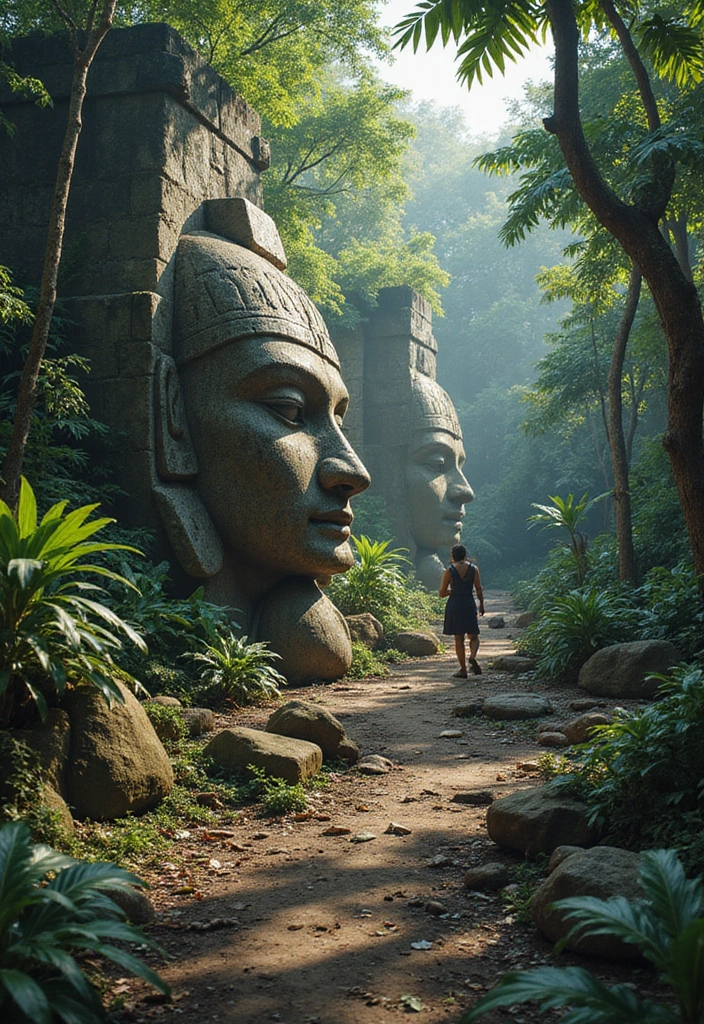
The Olmec civilization, often regarded as the mother culture of Mesoamerica, thrived from around 1200 to 400 BCE in present-day Mexico. Famous for their colossal head sculptures and intricate jade carvings, the Olmecs laid the foundation for later civilizations such as the Maya and Aztecs. Their society was characterized by complex social structures, trade networks, and religious practices centered around nature and deities. The Olmec developed early forms of writing and calendars, showcasing their advanced understanding of time and astronomy. Exploring Olmec culture reveals the roots of Mesoamerican civilization and its lasting impact on the continent.
19. The Byzantine Empire: The Eastern Roman Legacy

The Byzantine Empire, which emerged from the eastern half of the Roman Empire, lasted for over a thousand years, preserving and transforming classical knowledge and culture. Known for its stunning architecture, such as the Hagia Sophia, and rich artistic traditions, Byzantium was a center of learning and commerce. The empire played a crucial role in the preservation of ancient texts and the spread of Christianity. Byzantine society was characterized by complex governance, with a blend of Roman law and Christian principles. Exploring the Byzantine Empire reveals a civilization that bridged the ancient and medieval worlds, influencing Europe and the Near East.
20. The Seljuks: Architects of a New Era

The Seljuk Empire, which flourished from the 11th to the 14th century, was a significant Islamic power in the medieval world. Known for their architectural innovations, the Seljuks constructed impressive mosques, madrasas, and caravanserais that showcased their artistic and engineering skills. They played a crucial role in the spread of Islam and the cultural exchange between the East and West. The Seljuks established a vast empire that included parts of modern-day Iran, Iraq, and Turkey, fostering trade and cultural development. Their contributions to science, philosophy, and literature were significant, influencing later Islamic and European thought. Exploring the Seljuk Empire reveals a civilization that was a bridge between cultures and a center of learning.
21. The Chola Dynasty: Maritime Kings of South India
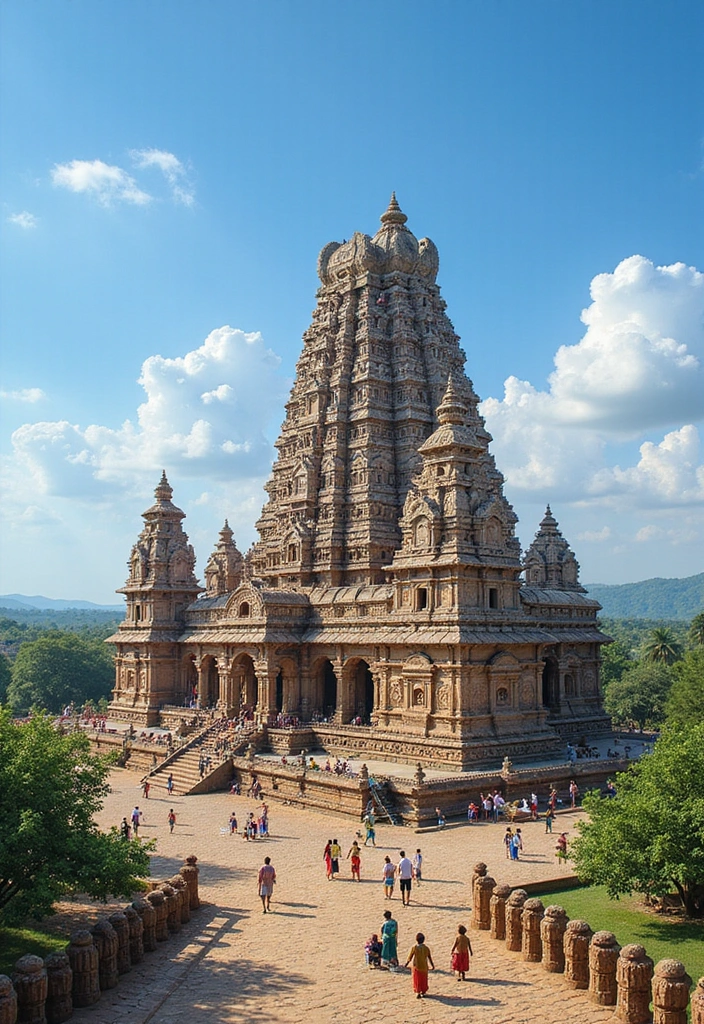
The Chola Dynasty, which ruled from the 9th to the 13th century in South India, is known for its remarkable achievements in art, architecture, and maritime trade. The Cholas were skilled seafarers, establishing trade networks that reached Southeast Asia and beyond. Their temples, such as the Brihadeeswarar Temple, are architectural marvels adorned with intricate sculptures and carvings. The dynasty also made significant contributions to literature, music, and dance, fostering a vibrant cultural environment that celebrated creativity and spirituality. Exploring the Chola Dynasty provides insight into a powerful and influential civilization that shaped South India and its maritime heritage.
Conclusion: Celebrating the Hidden Gems of History
These 25 little-known civilizations remind us of the rich tapestry of human history, filled with diverse cultures and extraordinary achievements. As we explore their stories, we uncover the threads that connect us across time and space, revealing the ingenuity and creativity of our ancestors. Let these civilizations inspire curiosity and appreciation for the past, encouraging us to delve deeper into the fascinating world of history.


